
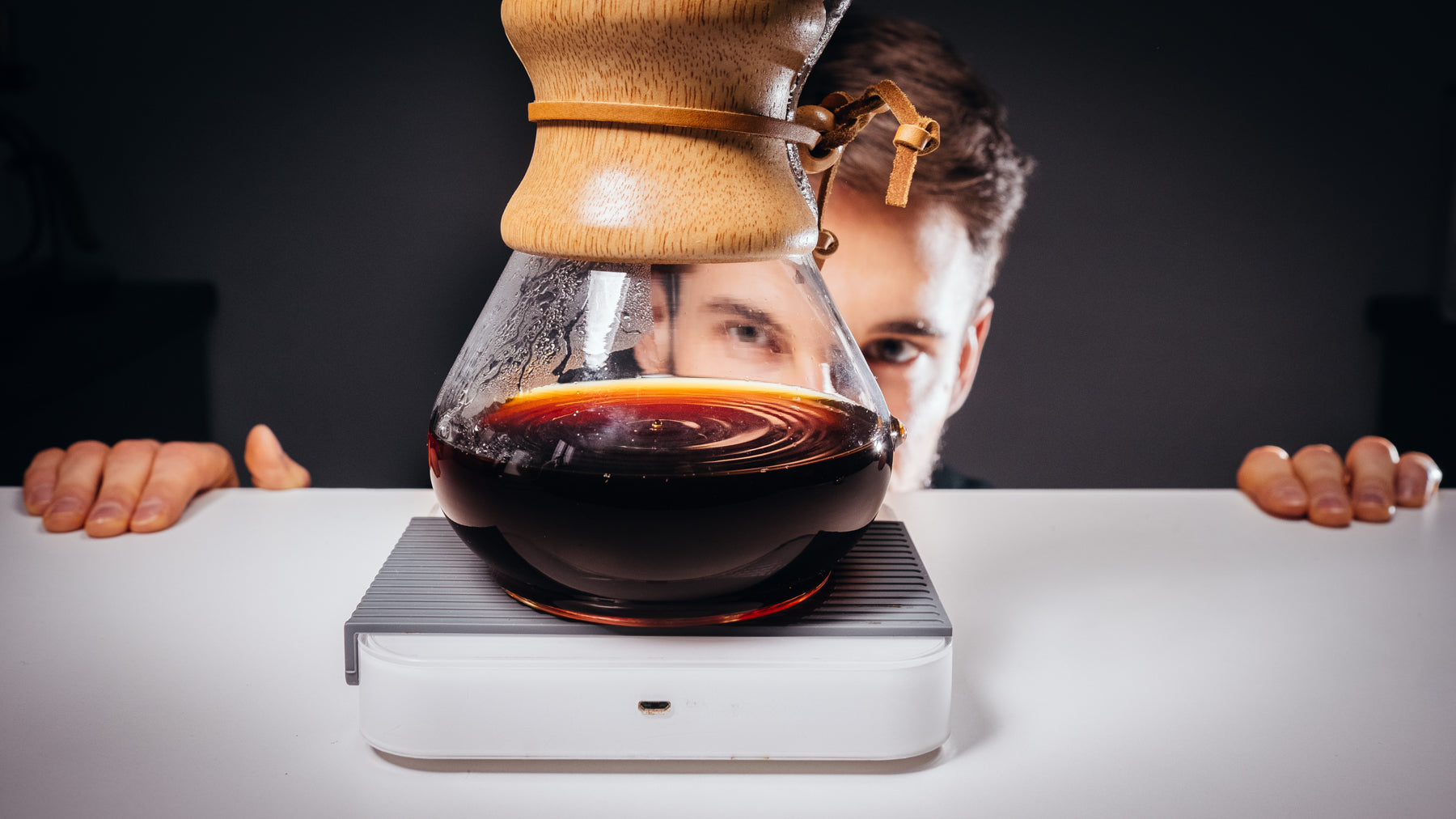
There are ways to brew coffee without an espresso machine, and you'll discover just how diverse the world of coffee is – you don't need an espresso machine to enjoy an aromatic brew. High-quality beans and alternative equipment are enough to brew an intense, complexly flavored cup of coffee. Explore alternative coffee brewing methods and see how you can easily create your own coffee shop in the comfort of your home.
Alternative coffee brewing methods, what are they?
Espresso isn't the only way to enjoy coffee—though we admit it's exceptionally good. However, there are other brewing methods, commonly called alternatives . These include pour-over methods like drip , French Press, AeroPress , Chemex, etc., and the pressure method, or the coffee maker, which pays homage to the classic. These offer an alternative to the espresso machine and the espresso you might not be able to imagine your Monday morning without. Contrary to appearances, most of these aren't coffee brewing methods developed just a few years ago —their history usually predates that of the old espresso machine, which undoubtedly dominated the coffee market. Below, you'll find a brief description of each of these alternatives.
 AeroPress
The AeroPress is the newest coffee brewing method – it appeared on the market in 2005, but its appearance, resembling a large syringe, has captured the attention of coffee lovers from the very beginning. The device is perfect for traveling and allows for experimenting with different grind settings, making it difficult to get bored. The only limitation of this coffee brewing method is the amount of brew – slightly more than 200 ml of coffee may not be enough.
- Brewing coffee: The AeroPress works similarly to a syringe. Pour ground coffee into the large plunger, pour hot water over it, then screw on the strainer with the paper filter and press the brew into a cup. As with any coffee brewing method, with time you'll gain experience and discover your own unique method, making your coffee even more delicious with this device.

Chemex
The Chemex is easily confused with a designer vase – this early 20th-century creation resembles an hourglass-shaped vase or a laboratory device for creating magical potions (rightly so, as its creator was German-born chemist Peter Schlumbohm). It's one of the more expensive coffee brewing methods, but in return, you get a 2-in-1 device . The Chemex is both a brewing device and a carafe for the finished coffee . Using it and special, thick paper filters, you'll achieve a light, tea-like, and clear brew. The Chemex is a pour-over method, so consider purchasing a coffee scale that will precisely measure the amount of beans needed for your brew.
- Brewing coffee: Insert the filter into the top of the Chemex and lightly dampen it with water to adhere to the walls and remove any papery flavor in the coffee (discard any excess water). Pour coarsely ground coffee (6g/100ml) into the filter, then pour hot water over the coffee in a slow, circular motion. Brewing should take about 4 minutes, no longer.

Drip
Alternative coffee brewing methods vary, but the most popular are definitely the dripper, also known as the V60. This is a funnel into which, similarly to the AeroPress, a paper filter is inserted. Drip is the art of brewing coffee, extracting the finest nuances , so it's worth using the best beans. Specialty coffee , especially single-origin beans from a single region, is perfect for this purpose . Such a high-quality brew doesn't require answering the question of whether the coffee is healthy – only poor-quality beans can be harmful.
- Brewing coffee: Place a paper filter in a container and rinse it with hot water. Grind the beans slightly coarser than for a coffee maker (6g/100ml). Brewing should take no longer than 3.5 minutes , and the brewing temperature should be 90-95°C. First, pour in enough water to cover the ground coffee (use twice as much water as your coffee dose) and let it steep for 30 seconds. After this time, you can pour the coffee over the ground coffee in circular motions, aiming only at the surface of the coffee, avoiding the filter walls.

French Press
A French press is the perfect way to brew coffee at home – it's easy to use, affordable, and includes an internal filter. This is a brewer with a history of nearly a century, and you might recognize it from most supermarkets. You're likely to find poor-quality devices there that will negatively impact the flavor of your brew, so it's better to choose a slightly more expensive device made from high-quality materials, such as BODUM.
- Brewing coffee: As with all coffee brewing methods, the ratio is important (6g/100ml). Pour coarsely ground coffee beans into a container and pour hot water (approximately 95°C) over the coffee grounds, just enough to cover the coffee. Wait 4 minutes, then use a spoon to break up the skin that has formed on the grounds. When the grounds settle to the bottom, skim the remaining coffee grounds from the surface with a spoon. Then, insert a plunger and pour the brew into a cup – do this slowly to prevent the grounds from passing through the strainer into the filtered brew.

Coffee pot
For this method of brewing coffee, it's crucial to purchase a good moka pot , a two-piece kettle that sits on the stovetop – this will help avoid a metallic aftertaste in the brew . Coffee beans should be ground coarser than for espresso, but finer than for drip coffee. How do you brew this type of coffee? It's a good idea to pour hot water into the moka pot, which will not only shorten the brewing time but, above all, enhance the flavor of the brew. This is the ideal brewing method for those who prefer their coffee with milk .
- Brewing coffee: Pour water into the bottom of the appliance up to the level of the small valve. Pour the coffee into the strainer, leaving a half-centimeter of space, and make sure the edges are clean. Remove the coffee maker from the stove when you hear the characteristic bubbling sound.

Which coffee beans should I choose for an alternative?
Regardless of which brewing method you choose, you'll need high-quality beans —otherwise, the brew will be flat, unpleasantly bitter, and... unpalatable. This is especially important with a drip coffee maker, which extracts all the aromas from the beans. You can easily test this by dripping with cheap supermarket coffee. You'll quickly discover that while you could drink it in a mug, poured over with boiling water, milk, and sugar, the pure brew will be unpalatable. Alternative brewing methods allow you to experience flavor nuances such as sweetness, acidity, and nutty, chocolate, or floral notes. To achieve this, you need fresh beans—only a good coffee roaster offers these.

Coffee grinder – why is it worth investing in?
First, alternative coffee brewing requires freshly ground beans – this not only ensures a flavorful brew but also ensures the beans are of high quality (when choosing a package of ground coffee, you have to take the manufacturer's word for it). Second, a grinder gives you complete control over the grind size, which, as you already know, varies depending on the coffee brewing method. However, there are a variety of coffee grinders available on the market , which can make choosing the right one difficult.
So we point out some important facts:
- Grinders are divided into burr and knife grinders – burr grinders allow you to adjust the grinder settings, while knife grinders automatically chop the beans at high speed,
- second division – manual and electric grinders,
- burr grinders grind the grains evenly,
- knife grinders produce more heat, thus reducing the quality of the brew,
- manual grinders are cheaper than automatic ones,
- Knife grinders work much louder than burr grinders.
If you're just starting your adventure with alternative coffee preparation methods, choose a manual grinder – it will easily produce a high-quality brew. You'll likely find topics like brewing temperature, the origin of the beans, and grind size so engaging that you'll soon be happy to look for new, more expensive equipment.

Summary
Alternative coffee brewing methods are a great solution for those who enjoy drinking coffee at home and want to develop their barista skills. Each method offers a slightly different experience, so consider whether you prefer a pure brew (drip, Chemex) or a coffee more akin to a classic black coffee (mozzi). If you're interested in pour-over coffee, stock up on good quality coffee filters . Above all, remember to buy high-quality, fresh beans from trusted sources.
LaCava Coffee Roastery is here to help – in our shop, you can order not only carefully selected and roasted coffee beans from various regions of the world, but also the necessary equipment and accessories for alternative coffee brewing methods . We always prioritize quality, so you can count not only on equipment from renowned manufacturers but also on our assistance in choosing the right coffee. We'll be happy to help you choose beans, suggest how to brew coffee, and advise you on which preparation method will best suit your needs.


Leave a comment